August 3, 2026 · 7 min read
How Your Beliefs Shape What You Feel and Do

“Lawd have mercy! I got the VID, y’all. I swear I got the VID!”
Everybody in my house had gotten COVID, so naturally, I just knew I had contracted it too.
It was only a matter of time.
Then it started.
“Oh, my throat feels a little scratchy.”
“Wait… do I have a headache?”
“Why do I suddenly feel tired?”
Before long, I had diagnosed myself.
COVID.
No question about it.
I was lying around the house feeling weak, sick, and borderline bedridden.
“Lord, please don’t take me now!”
I was convinced.
Until I took the test.
Negative.
I looked at the result like the test had made a mistake.
“Negative? What the—”
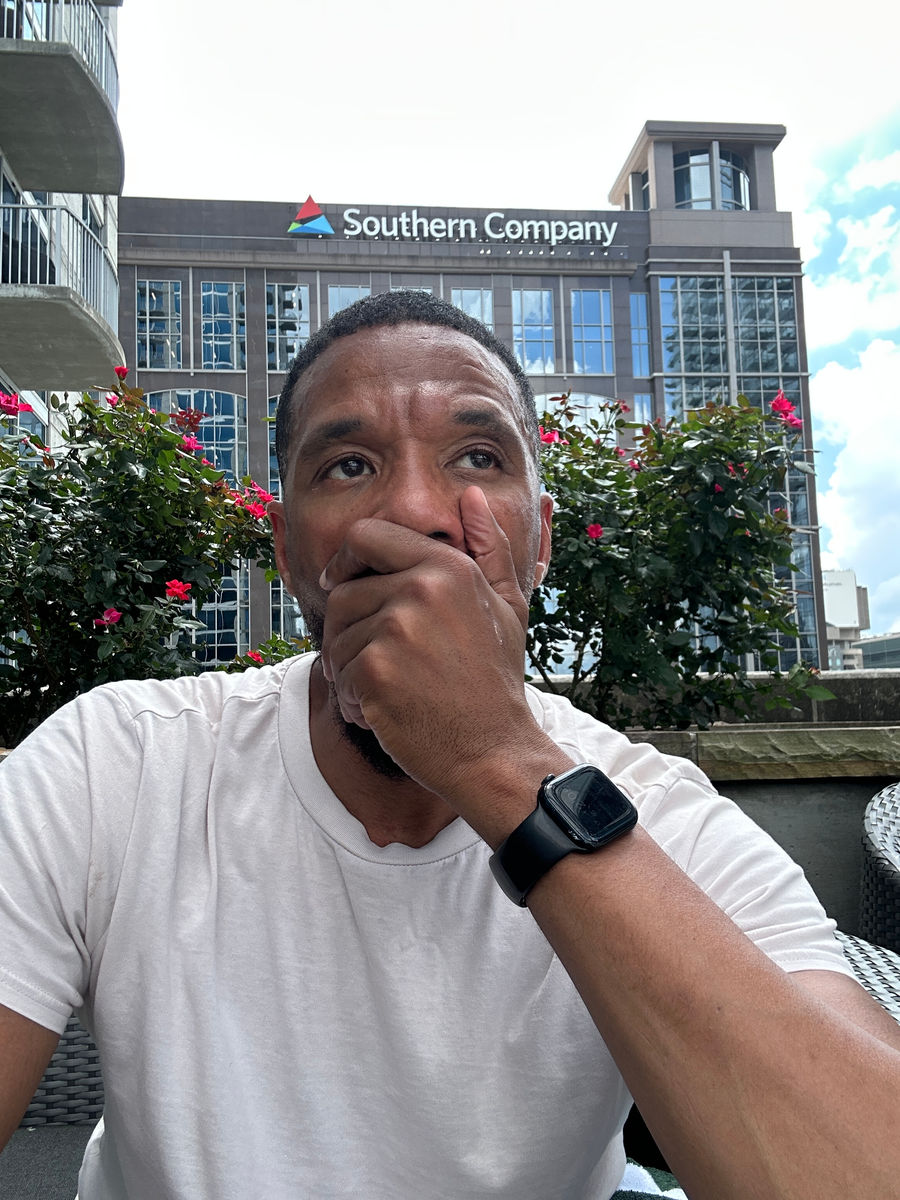
And almost immediately, something miraculous happened.
My headache disappeared.
My throat was no longer scratchy.
My energy returned.
Within a few minutes, I went from believing I was bedridden to thinking:
“Well… I guess I can go to the gym.”
Nothing about my body had technically changed in those few minutes.
I had not taken any medicine.
I had not gotten several hours of rest.
I had not received some miraculous treatment.
I received new information.
And that new information changed what I believed.
Once the belief changed, my entire experience changed with it.
Your Mind Is a Powerful Tool
We hear people say that the mind is powerful all the time.
Usually, it is said in some motivational way.
“Think positive.”
“Believe in yourself.”
“Manifest the life you want.”
But the power of belief is not always inspirational.
Sometimes your beliefs can convince you that something is wrong before you have all the facts.
Sometimes they can make a small problem feel enormous.
Sometimes they can make you feel incapable before you have even tried.
Your beliefs influence what you notice.
They influence how you interpret what you notice.
They influence the story you tell yourself about what is happening.
Once I believed I had COVID, every sensation became evidence.
A minor headache was no longer just a headache.
It was a symptom.
A slight tickle in my throat was no longer something I might normally ignore.
It was confirmation.
Feeling tired was no longer the result of a long day.
It was proof that the VID had gotten me.
My mind had reached a conclusion, and then it began gathering evidence to support it.
Beliefs Often Become Invisible Instructions
Most beliefs do not simply sit quietly in the back of your mind.
They become instructions.
They tell you what to do, what to avoid, what to expect, and what something means.
You may believe:
“If I disappoint people, they’ll leave.”
So you never say no.
You may believe:
“Mistakes mean I’m not good enough.”
So you avoid trying anything you might not immediately succeed at.
You may believe:
“Conflict is dangerous.”
So you stay silent even when something is bothering you.
You may believe:
“I have to prove my worth.”
So you overwork, overperform, and struggle to rest without feeling guilty.
You may believe:
“I always mess things up.”
So every setback becomes proof that you should stop.
The belief becomes a rule.
The rule becomes a pattern.
And eventually, the pattern starts to feel like your personality.
You say:
“That’s just how I am.”
But sometimes it is not who you are.
It is simply a conclusion you have been living from for a long time.
Your Feelings Are Real, but Your Interpretation May Be Wrong
My headache felt real.
My scratchy throat felt real.
The fatigue felt real.
The lesson is not that I was pretending or making everything up.
The lesson is that my interpretation of those feelings was shaped by what I believed.
That distinction matters.
You can genuinely feel anxious and still be wrong about what the anxiety means.
You can genuinely feel unqualified and still be capable.
You can genuinely feel rejected and still not know what another person was thinking.
You can genuinely feel behind and still be making progress.
You can genuinely feel like you are failing when you are simply learning something new.
A feeling is information.
It is not always confirmation.
Your emotions deserve to be acknowledged, but the story attached to them deserves to be examined.
Your Mind Looks for Proof
Once your mind accepts a belief, it often begins searching for evidence that supports it.
If you believe nobody respects you, you will notice every interruption and overlook the people who ask for your opinion.
If you believe you are bad with money, every poor purchase will stand out while your responsible decisions are dismissed.
If you believe you never follow through, you will remember the unfinished projects and forget the responsibilities you handle every day.
If you believe you are awkward, one uncomfortable interaction can erase ten perfectly normal conversations.
This does not mean you should ignore evidence that something needs to change.
It means you should be careful about turning individual moments into permanent conclusions about yourself.
One mistake does not automatically mean you are a failure.
One rejection does not mean you are unwanted.
One difficult week does not mean you are incapable of being consistent.
One person misunderstanding you does not mean you are impossible to understand.
But when a belief is already established, your mind can make every experience fit the story.
Facts and Beliefs Are Not the Same Thing
A fact is what happened.
A belief is the meaning you assigned to what happened.
The fact may be:
“I did not get the promotion.”
The belief becomes:
“I’m not leadership material.”
The fact may be:
“They did not respond to my message.”
The belief becomes:
“They don’t value me.”
The fact may be:
“I made a mistake during the presentation.”
The belief becomes:
“I embarrassed myself, and everybody thinks I’m incompetent.”
The fact may be:
“I have not been consistent lately.”
The belief becomes:
“I can never stick with anything.”
The fact deserves to be acknowledged.
The belief deserves to be examined.
You do not have to pretend the disappointment did not happen.
You do not have to force yourself to think positively.
You do have to become aware of when your mind has taken one fact and built an entire identity around it.
New Evidence Can Create a New Experience
That negative COVID test gave my mind new evidence.
Suddenly, the symptoms that had felt so convincing were interpreted differently.
That same shift can happen in other areas of your life, but you may have to intentionally look for the evidence.
If you believe you are not confident, look for moments when you spoke up, made a decision, or handled something difficult.
If you believe you never follow through, look at the commitments you have kept, even if they seem small.
If you believe you are incapable of change, look at something you handle differently today than you did five years ago.
If you believe nobody values you, pay attention to who calls you, trusts you, seeks your advice, or chooses to spend time with you.
You are not trying to lie to yourself.
You are correcting an incomplete story.
My mind had collected all the evidence that supported the belief that I had COVID.
The test forced me to consider another possibility.
Sometimes you need to do the same thing with the beliefs you hold about yourself.
Ask Better Questions
When you notice yourself becoming convinced of a negative conclusion, pause.
Ask:
What do I actually know?
What am I assuming?
What evidence supports this belief?
What evidence challenges it?
Am I reacting to what happened or to what I believe it means?
Have I turned one experience into a permanent conclusion?
What else could be true?
These questions do not erase reality.
They help you see more of it.
There is a major difference between saying:
“Everything is fine.”
And saying:
“This is difficult, but the conclusion I am drawing may not be the only explanation.”
That is not denial.
That is awareness.
You Do Not Have to Believe Every Thought
Your thoughts can be convincing.
They can be dramatic.
They can sound confident.
They can produce physical and emotional reactions that feel like undeniable proof.
But a thought is not automatically a fact simply because it appeared in your mind.
A belief is not automatically true simply because you have carried it for years.
Your mind may tell you:
“You are not ready.”
“You are going to fail.”
“They are judging you.”
“You always ruin things.”
“You cannot handle this.”
Before you organize your life around those conclusions, take the test.
Not necessarily a literal COVID test.
Test the belief.
Look at the evidence.
Separate what happened from the story you created afterward.
Challenge the conclusion.
Because sometimes you are lying in bed convinced that you are incapable, defeated, or done.
And the moment you discover that the belief is not true, you realize:
“Oh.
I can get up.
I can move.
I can try again.
I might even be able to go to the gym.”
Pops Prompt
What is one belief you have accepted about yourself without fully examining the evidence?
Write down:
The fact: What actually happened?
The belief: What conclusion did you create from it?
The pattern: How has that belief influenced what you do or avoid?
The evidence: What experiences challenge that belief?
The new belief: What is a more complete and accurate conclusion you can begin practicing?
Do not replace one extreme belief with another.
The goal is not to convince yourself that you are perfect.
The goal is to stop treating an unexamined conclusion as the truth.
About the Author
Sharif Colbert is a certified professional life coach and the founder of LifeCoachATL. He helps capable adults get out of their own way by identifying the beliefs, patterns, and internal stories that interfere with confidence, clarity, and consistent action.
Through practical conversations, honest reflection, and accountability, Sharif helps clients separate facts from assumptions, challenge the conclusions they have been living from, and move forward with greater intention.
If this sounds like where you are, this is exactly the work I help people with.
Personal coaching · Family coaching · Book a free consultation


